The Recent Craze for Guangxu Yuanbao
Recently, a sensational news story has swept across the internet, igniting the dreams of wealth for many: buyers are offering 3.5 million yuan for each Guangxu Yuanbao, paying cash on the spot! This news has prompted not only seasoned collectors to inventory their collections overnight but also ordinary citizens to rummage through their drawers and closets in search of forgotten treasures from the late Qing Dynasty.
Countless comments flood social media, with users expressing excitement about potential finds: “I think I have one! My grandmother gave it to me when I was a child, and I’ve kept it in a drawer as a toy,” and “My grandfather collected old coins; I need to check!” Many people, who previously thought these were just ordinary old copper coins, are now realizing their significant value.
In fact, many do not know that the Guangxu Yuanbao, which we often saw in our childhood, is not just an ordinary old copper coin but a precious relic steeped in late Qing history. It witnessed the currency reform of the late Qing Dynasty and recorded the rise and fall of an era. With high historical, artistic, and collectible value, the prices have soared in the current market, making 3.5 million yuan not an isolated case. Some rare versions continue to rise in price, potentially leading to financial freedom for their owners.
Today, we will fully analyze the “wealth code” of Guangxu Yuanbao, detailing three recently traded rare coins that have been highly sought after by buyers, along with key identification points, historical background, and market trends. We will guide you in determining whether your old copper coin is a potential candidate for the 3.5 million yuan price tag.
Understanding the Popularity of Guangxu Yuanbao
To understand why Guangxu Yuanbao is being fiercely sought after, with prices soaring to 3.5 million yuan, one must first grasp its historical origins and collectible value. Many people’s knowledge of Guangxu Yuanbao is limited to the notion of “old copper coins from the late Qing Dynasty,” unaware that its birth is shrouded in legend, and its rarity and uniqueness lay the foundation for its high collectible price.
Guangxu Yuanbao emerged during the late Qing currency reform. In the mid-19th century, foreign powers intensified their economic invasion of China, leading to a significant influx of foreign silver coins and creating a financial crisis for the Qing government. To counter foreign monopoly and alleviate economic pressure, Zhang Zhidong, a minister of the Self-Strengthening Movement, introduced British minting machines in the 13th year of Guangxu (1887) and petitioned the court to mint silver coins. Starting in the 15th year of Guangxu (1889), Guangxu Yuanbao was minted in Guangdong Province, marking the beginning of modern coinage in China.
Subsequently, various provinces established mints to produce their own versions of Guangxu Yuanbao, resulting in a diverse array of coins across the country. During its issuance, a total of 19 provincial mints produced Guangxu Yuanbao, including those from the Ministry of Revenue, Fengtian Province, Henan Province, Guangdong Province, and Hubei Province. The coins minted by different provincial mints varied in design, inscriptions, and characters, leading to the characteristic diversity of Guangxu Yuanbao. Currently, there are known to be over a hundred types of Guangxu Yuanbao, with common types being more prevalent, while rare versions and trial coins are extremely scarce.
The value of Guangxu Yuanbao primarily lies in three aspects, which are the core reasons buyers are willing to pay 3.5 million yuan:
-
High Historical Value: Guangxu Yuanbao is a core mechanism currency from the late Qing period and symbolizes the transition from the feudal currency system to a capitalist currency system. It not only reflects the turbulent times and economic reforms of the late Qing but also serves as an important physical artifact for studying the economy, finance, and minting techniques of that era. Each Guangxu Yuanbao carries a century of historical memory, making it a precious cultural relic.
-
Significant Artistic Value: Guangxu Yuanbao employs advanced Western minting techniques, replacing traditional Chinese casting methods, resulting in high precision. The coin’s surface is smooth and flat, with clear and intricate designs. The front typically features the inscription “Guangxu Yuanbao” in Chinese, accompanied by Manchu characters, province names, and denominations, showcasing a beautiful calligraphic aesthetic. The reverse often depicts a coiling dragon, vividly representing various styles, with flowing lines and exquisite carvings, exemplifying the high standards of late Qing coinage.
-
Extreme Rarity: Due to the turbulent times during the late Qing, many Guangxu Yuanbao coins, especially trial coins and unissued versions, were destroyed or lost in conflicts. The number of surviving coins is extremely limited. Additionally, as time passes, some Guangxu Yuanbao coins have suffered wear and loss, making the remaining rare coins even more precious. This scarcity drives up the collectible value, leading to fierce competition among buyers and continuously rising prices.
In recent years, the collectible market has been heating up, with more people becoming interested in ancient coin collecting. As a representative of late Qing mechanism coins, Guangxu Yuanbao has become highly sought after, not only by seasoned collectors but also by many investors. The influx of funds has further pushed up the market price of Guangxu Yuanbao, making “having Guangxu Yuanbao at home” a potential symbol of wealth.
It is important to note that not all Guangxu Yuanbao can be sold for 3.5 million yuan. The market price for common versions typically ranges from several thousand to tens of thousands of yuan. Only rare versions, trial coins, and those in perfect condition can fetch such astronomical prices. Next, we will introduce three recent Guangxu Yuanbao treasures with clear transaction records, detailing their prices, dimensions, and identification points, so you can check if your old copper coin is one of them!
Three High-Value Guangxu Yuanbao Explained
Recently, several rare Guangxu Yuanbao coins have successfully been auctioned, including a trial coin from Fengtian Province that fetched a staggering 3.5 million yuan, becoming the focus of attention online. Below are three treasures, each with clear auction records, distinct details, and features. You can compare them with your old copper coins to see if you have one that buyers are willing to pay top dollar for!
First Coin: 1897 Fengtian Province Trial Coin (Sold for 3.5 Million Yuan)
- Transaction Date: November 7, 2024, at 09:30 AM
- Auction Scene: Nationally renowned coin auction event
This Guangxu Yuanbao is among the highest-priced known treasures and has become a star item in the collectible community. Reports from the auction site indicate that once this trial coin was unveiled, it sparked intense bidding among buyers, starting at 800,000 yuan and soaring to 3.5 million yuan, setting a new record for similar Guangxu Yuanbao coins.
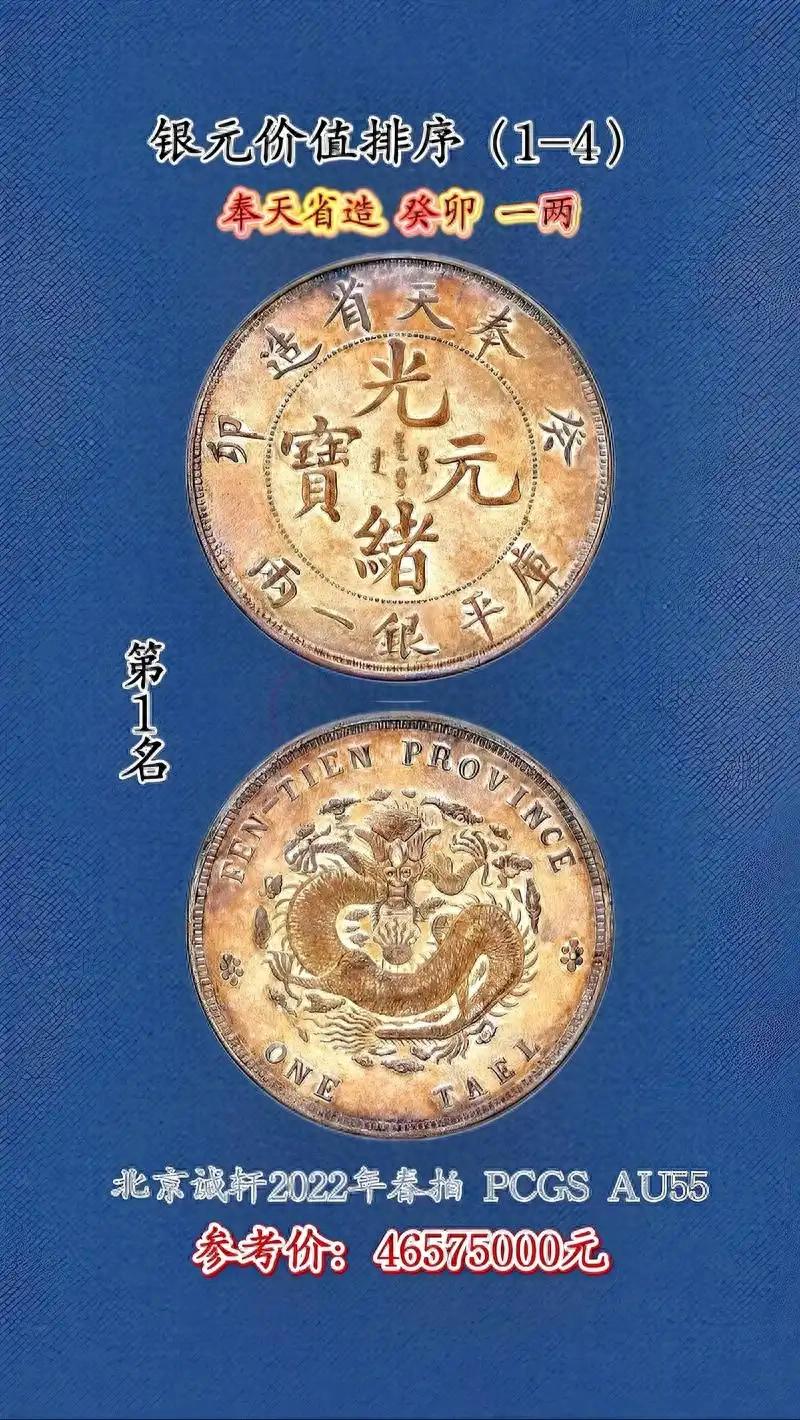
Many may wonder how such a small trial coin could sell for 3.5 million yuan. The coin’s value lies in its rarity and perfect condition. Here are the specific details for comparison:
-
Basic Parameters: This trial coin weighs 5.3 grams, has a diameter of 24 millimeters, and conforms to the standard specifications for late Qing trial coins. Compared to ordinary Guangxu Yuanbao, this trial coin is more precise in weight and diameter, showing no signs of wear or defects, and is considered a perfect uncirculated specimen.
-
Core Features: Most notably, this coin is an unissued type, with only a few known copper-silver trial coins remaining—currently, no more than three are known to exist. It was sourced from a renowned overseas collector and has been well-preserved for over a century, with a uniform copper-silver layer showing no signs of oxidation or flaking, maintaining a brilliant luster.
-
Design Details: The front features the inscription “Guangxu Yuanbao” in Chinese, with a strong and elegant font, surrounded by Manchu characters and the denomination “Kupu 1 Qian 4 Fen 4 Li”. The layout is aesthetically pleasing. The reverse depicts a coiling dragon, with clear and detailed scales, showcasing the high craftsmanship of late Qing minting.
-
Collectible Value: This trial coin is not only a rare version of the Guangxu Yuanbao from Fengtian Province but also serves as an important physical artifact for studying late Qing minting techniques and currency reform. Its extreme rarity and perfect condition make it a highly sought-after top-tier collectible, and the 3.5 million yuan sale price is not surprising.
Key Points: If you have a Guangxu Yuanbao from Fengtian Province at home, pay close attention to these details: Is it made of copper-silver? Does the reverse have the English inscription “FENG-TIEN”? Is the diameter around 24 millimeters? Does it weigh close to 5.3 grams? If it meets these criteria and is in good condition, it is likely a similar trial coin that could fetch a high price!
Second Coin: Ministry of Revenue Guangxu Yuanbao (Sold for 2 Million Yuan)
- Transaction Date: April 18, 2024
- Auction Scene: High-end cultural relics and art auction
This Guangxu Yuanbao is a premium piece minted by the Ministry of Revenue and holds a significant place in late Qing coinage history. Although its selling price is lower than the Fengtian Province trial coin, the 2 million yuan price still makes it a popular collectible, with ongoing high-price offers from buyers.
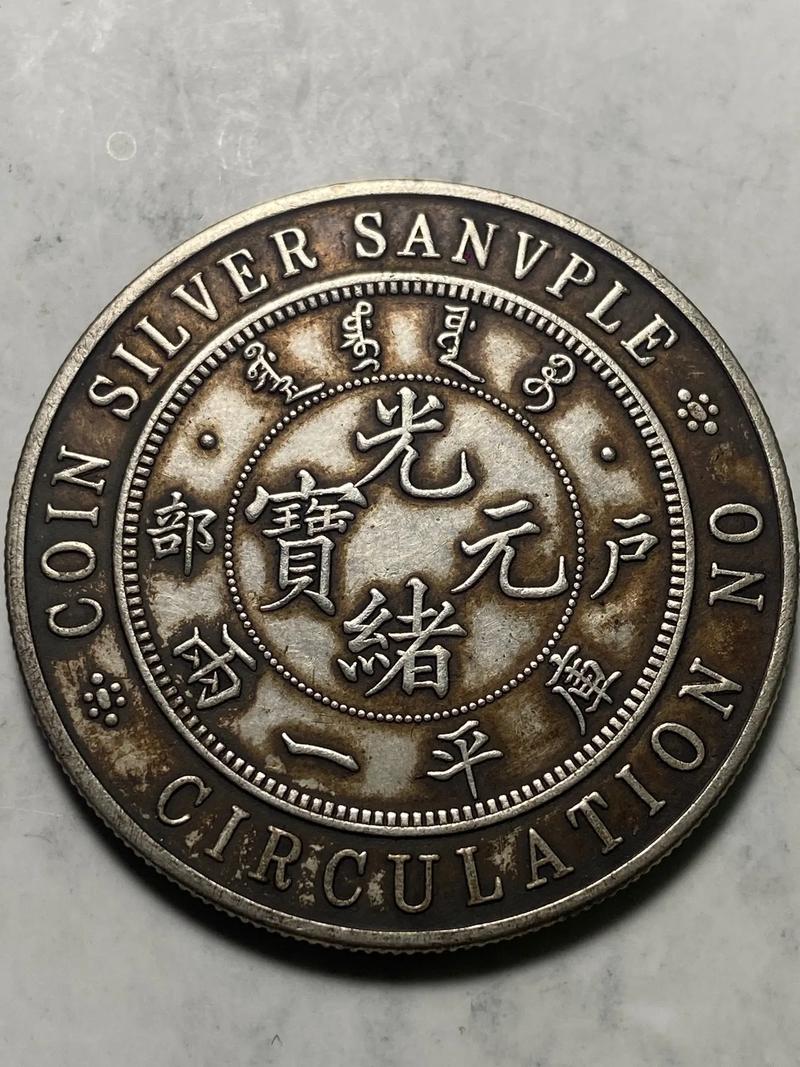
-
Basic Parameters: This Guangxu Yuanbao has a diameter of 4.5 centimeters and weighs 26.2 grams, making it one of the largest and heaviest known Guangxu Yuanbao coins, often referred to as the “King of Mechanism Silver Coins in China.” It is well-proportioned, with a smooth surface and no significant wear, qualifying as a top-quality collectible.
-
Historical Background: Minted in the 34th year of Guangxu (1908) by the Ministry of Revenue’s mint, this coin was part of the Qing government’s efforts to unify the currency system, aiming to replace the chaotic provincial coins. It was highly anticipated, as evidenced by its mention in the customs reports of the 28th year of Guangxu, highlighting its historical significance.
-
Design Details: The front features the inscription “Guangxu Yuanbao” in Chinese, with a robust and elegant font, surrounded by Manchu characters, and the denomination “Kupu 1 Liang” below. The reverse showcases a coiling dragon, with intricate details and clear scales, complemented by English inscriptions that translate to “Guangxu Year 34 Ministry of Revenue 1 Liang.”
-
Collectible Value: The Ministry of Revenue Guangxu Yuanbao is a crucial product of the late Qing currency reform, marking the Qing government’s attempts to standardize currency. Its limited mintage and unique design contribute to its high collectible value, with the 2 million yuan sale price reflecting its market value and significant potential for appreciation.
Third Coin: Henan Province Guangxu Yuanbao (Sold for 2.2 Million Yuan)
- Transaction Date: July 27, 2024
- Auction Scene: Ancient coin auction event
This Guangxu Yuanbao is one of the top ten renowned coins in modern Chinese coinage, known for its high recognition and is considered a “coin masterpiece.” Although its sale price is lower than the Fengtian Province trial coin, the 2.2 million yuan price still makes it a sought-after item, with many buyers competing for it at auction.
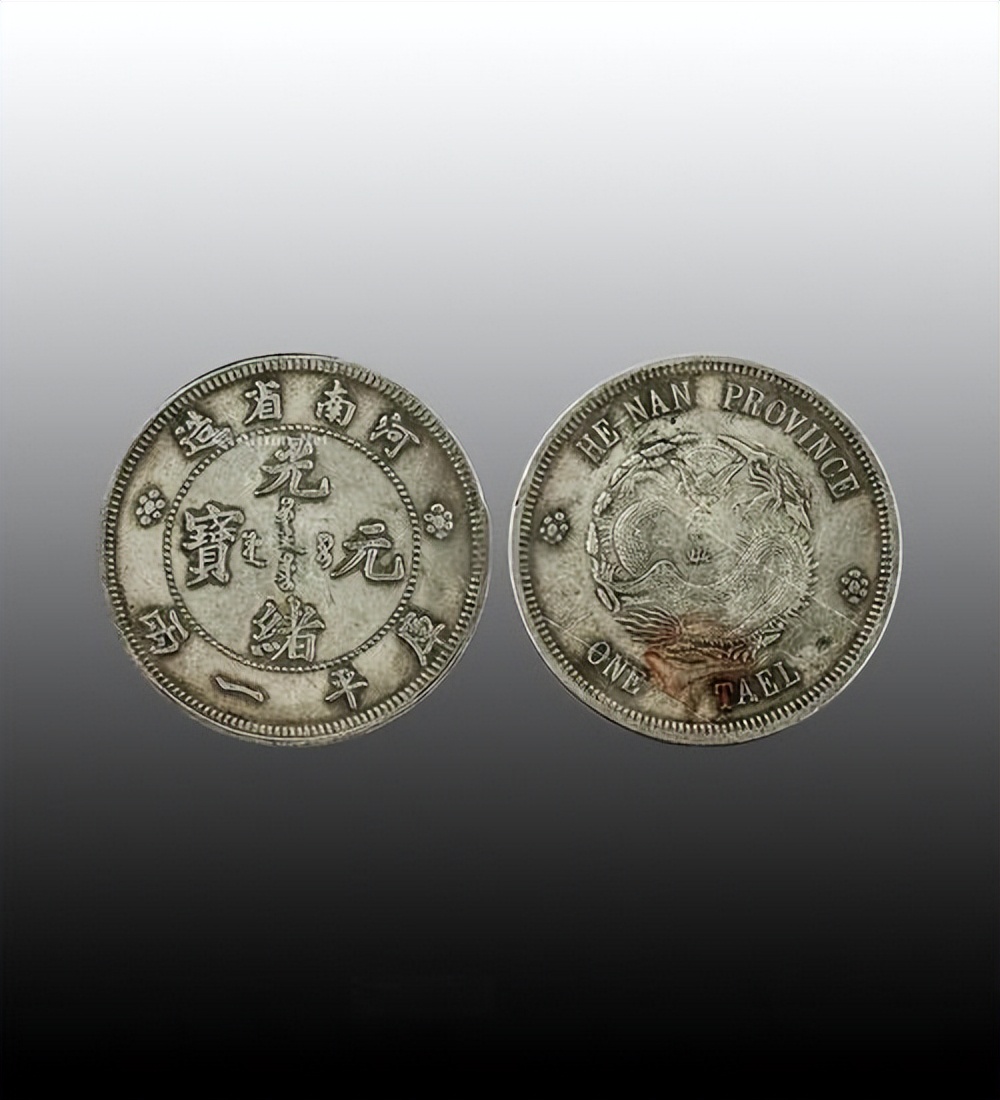
-
Basic Parameters: This Guangxu Yuanbao has a diameter of 2.7 centimeters and weighs approximately 13.5 grams, with a well-proportioned design and excellent quality. The coin is in good condition, showing no significant wear or oxidation, with clear inscriptions and complete designs, qualifying as a top-tier collectible.
-
Core Status: It is one of the top ten renowned coins in modern Chinese coinage, widely recognized in the collectible community. The term “top ten renowned coins” refers to ten coins known for their rarity, exquisite craftsmanship, and high historical value, with each being a masterpiece. The Henan Province Guangxu Yuanbao is one of these, possessing immeasurable academic and historical value.
-
Design Details: The front features the inscription “Guangxu Yuanbao” in Chinese, with a flowing and elegant font, surrounded by the words “Henan Province” and the denomination “Kupu 1 Liang” below. The reverse depicts a coiling dragon, with clear and detailed scales, showcasing the minting standards of the Henan Province mint. The inscriptions are crisp and clear, with no signs of blurriness or damage.
-
Collectible Value: The Henan Province Guangxu Yuanbao was minted in the 29th year of Guangxu (1903) when the Henan Province mint was newly established. Its limited mintage, coupled with the turmoil of the late Qing, resulted in a scarcity of surviving coins. Additionally, its exquisite craftsmanship and high artistic value make it an important physical artifact for studying late Qing minting techniques, with the 2.2 million yuan sale price indicating significant potential for appreciation.
Key Reminders: Avoid Being Misled by High Prices
With the soaring prices of Guangxu Yuanbao, many are eager to achieve wealth through their old copper coins. However, it is crucial to remind everyone that the collectible community is rife with counterfeit coins and deceptive practices. Many unscrupulous individuals take advantage of the situation by forging Guangxu Yuanbao coins, deceiving those who lack knowledge. Many have lost money due to a lack of identification skills.
According to data from the Guangdong Provincial Cultural Relics Appraisal Station, only 35% of nearly 4,000 submitted coin items were genuine, with the vast majority being common coins. Furthermore, counterfeiters have shifted their focus from rare coins to common coins, making ancient and modern coins prime targets for forgery. Therefore, when checking your Guangxu Yuanbao at home, it is essential to grasp the following three identification tips to avoid being deceived:
1. Check the Material: Genuine vs. Fake
Genuine Guangxu Yuanbao coins are made of silver or copper. Silver coins typically contain a certain proportion of copper, with a purity of 89%-90%. They feel heavy and have a delicate texture, producing a clear and pleasant sound when struck. Copper coins are usually made of red copper (97%-98.3%), with small amounts of lead and tin, feeling moderate in weight and developing a natural patina over time.
In contrast, counterfeit Guangxu Yuanbao coins are often made from ordinary copper, iron, or lead, resulting in a rough texture and lighter weight. They produce a dull sound when struck. Many counterfeits are silver-plated to imitate silver coins, but the plating is uneven and prone to flaking, often revealing the underlying copper. Careful observation can help distinguish them.
Key Reminder: If you encounter a “silver Guangxu Yuanbao” made of white steel or copper, it can be immediately identified as a counterfeit. If it is a copper coin with overly bright color and no natural patina, it is also likely a fake.
2. Check the Craftsmanship: Genuine vs. Forged
Guangxu Yuanbao is produced using advanced Western minting techniques, meaning genuine coins have smooth and flat surfaces with clear and intricate designs. The inscriptions are well-formed, and there are no signs of blurriness or defects. The edges are neat, with no rough edges or casting flaws, and each coin’s dimensions and weight are relatively uniform, conforming to standard specifications.
Counterfeit Guangxu Yuanbao coins are often made using sand casting techniques, where counterfeiters use models carved from wood, bone, or soft stone, or even real coins as molds. As a result, fakes may exhibit casting marks, flow lines, or uneven surfaces, making them easily distinguishable from genuine coins. Additionally, counterfeit coins may be slightly smaller than genuine ones, with blurred inscriptions and designs.
Key Reminder: If you notice casting features on a Guangxu Yuanbao, it is likely a counterfeit. Genuine coins exhibit clear minting marks, with neat edges and finely carved designs.
3. Check the Patina: Natural vs. Artificial Aging
Genuine Guangxu Yuanbao coins develop a natural patina over a century, resulting in a warm, soft color. Genuine patina is uniform and gentle, without abrupt changes, and does not easily rub off. The color becomes more lustrous over time.
Counterfeit coins often have artificially aged patina created through chemical treatments or dyeing, resulting in uneven colors that are either too bright or too dull. Artificial patina may rub off easily and can emit a strong chemical odor, making it distinguishable upon careful inspection.
Additionally, pay attention to the textual information, as many counterfeiters use methods like carving, altering, or embedding to transform common coins into rare ones. For example, they may remove parts of ordinary coins and re-engrave them as rare versions, leading to inconsistencies in the font style and potential gaps in the edges.
Final Reminder: If you suspect you have a valuable Guangxu Yuanbao but cannot identify it, do not easily trust online “high-price purchase” offers. Avoid sending coins to strangers. The best approach is to contact a reputable cultural relic appraisal institution for professional evaluation to confirm authenticity and value before any transactions.
Where to Find Guangxu Yuanbao at Home
After reading the above, many are eager to search their homes for potentially valuable Guangxu Yuanbao coins. In fact, during the late Qing Dynasty, Guangxu Yuanbao was a circulating currency, so many households might have them, albeit forgotten over time. Here are a few places where you are most likely to find Guangxu Yuanbao:
-
Old Drawers and Wardrobes: Many older generations store old coins and artifacts in the corners of drawers or hidden compartments of wardrobes. These places are often dry and shielded from light, making them ideal for preserving coins. Check carefully; you may find something valuable.
-
Old Boxes and Luggage: Many families have old boxes and vintage luggage that may contain items left by older generations, including Guangxu Yuanbao. Pay special attention to boxes that haven’t been opened in years.
-
Old Jewelry Boxes and Makeup Cases: Older women often store coins and small items in jewelry boxes or makeup cases. Guangxu Yuanbao, as a circulating currency, may also be found among these items.
-
Corners and Gaps in Bookshelves: Some old coins may have accidentally fallen into corners or gaps in bookshelves, covered in dust and hard to notice. Clean these areas carefully; you might uncover forgotten Guangxu Yuanbao.
-
Heirlooms and Old Packages: If you have heirlooms from older generations, such as old clothes or packages, check them thoroughly. Many older individuals keep valuable coins in these items for their descendants.
Additionally, it is essential to remind everyone: if you have Guangxu Yuanbao at home, regardless of its condition, do not casually discard or damage it. Even common versions hold collectible value, which may increase over time. If you possess a rare version, any damage could significantly decrease its value, resulting in substantial losses.
Conclusion: Seize the Opportunity for Wealth
Recently, Guangxu Yuanbao has exploded in popularity, with buyers offering 3.5 million yuan for each coin, prompting many to search their homes for this “wealth treasure.” The surge in interest is not coincidental; Guangxu Yuanbao carries a century of historical significance, high historical, artistic, and collectible value, and its scarcity makes it a “hard currency” in the collectible community. The high transaction prices reflect its market value.
The three Guangxu Yuanbao treasures introduced in this article have clear transaction records, distinct details, and features. You can compare them with your old copper coins to see if you have one that buyers are willing to pay top dollar for. However, it is crucial to be cautious in the collectible community, as it is rife with counterfeits. Be sure to master identification skills to avoid being misled, and approach transactions with caution.
With a century of history, Guangxu Yuanbao is not just a coin but a “wealth code” in collectors’ hands. It bears witness to an era’s rise and fall and contains the potential for ordinary people to achieve wealth. If you have old copper coins, act quickly, search your drawers and corners, and you might be the next to strike it rich!
Comments
Discussion is powered by Giscus (GitHub Discussions). Add
repo,repoID,category, andcategoryIDunder[params.comments.giscus]inhugo.tomlusing the values from the Giscus setup tool.